

What's your personal risk of progressing to esophageal cancer?
You deserve answers, not hat?
Barrett's esophagus (BE) is damage to the esophagus caused by recurring acid reflux or heartburn. It can be a precursor to esophageal cancer — though most people with BE never develop cancer.
Knowing your personal cancer risk helps you and your doctor build the right care plan, from routine surveillance to endoscopic eradication therapy.
When you’ve been diagnosed with melanoma, uncertainty is common. DecisionDx-Melanoma provides genomic insights that help your care team better understand your risk. Decisions feel clearer and more confident.
Barrett's esophagus affects about
1 in 17
of people in the United States1
Esophageal cancer affects
1 in 40
BE patients who might progress over 5 years2
Real patients, real impacts
.jpg)





Uses your tumor biology to deliver personalized insights to help guide more precise care

Offers coverage through Medicare and many private insurers, with an market-leading financial assistance program.
How does the test impact your melanoma treatment?
DecisionDx-Melanoma is a gene expression profile (GEP) test, which examines the activity of 31 genes in your tumor to provide insights into how your melanoma may behave, potentially impacting your treatment in the following ways:




A physician's perspective on personalized melanoma care
Learn how the DecisionDx-Melanoma test is changing the way some physicians approach melanoma prognosis. In this short video, Dr. Abel Jarrell explains how the test goes beyond traditional factors to reveal each tumor’s unique biology—with the goal of bringing peace of mind to low-risk patients and helping identify high-risk cases that may need additional treatment or follow-up.


Frequently asked questions

By better understanding the risk of your individual tumor biology, your provider can make better management decisions. The bottom line? More personalized treatment leads to better outcomes.
Not all GEP tests are the same. DecisionDx-Melanoma is the only test that can provide you with a comprehensive test result that gives you a clinically validated, personalized risk assessment. DecisionDx-Melanoma is the only test with over 200,000 patients studied and 50 peer-reviewed publications
The value of a test is driven by the value of information it provides. DecisionDx-Melanoma has continued to show that it offers data that is above and beyond what traditional staging can provide.
 | Other GEP tests | |
|---|---|---|
| Identifies patient risk for nodal metastasis | ✔ | ✔ |
| Provides personalized risk for sentinel lymph node positivity | ✔ | x |
| Provides personalized risk of recurrence including MSS, RFS, and DMFS | ✔ | x |
| Data demonstrates independent, significant risk stratification provided by GEP result compared to AJCC stage | ✔ | x |
| Data demonstrates improved patient survival associated with testing | ✔ | x |
The fourth component is a group of nine housekeeping genes whose measurement allows normalization of the RNA expression for analysis.
Patients and providers agree: DecisionDx-Melanoma provides essential insights

of patients found their DecisionDx-Melanoma test results useful.
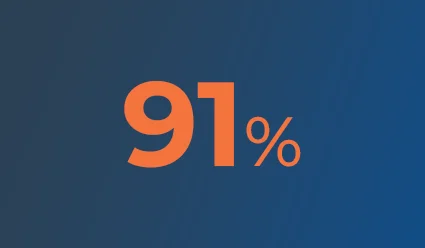
of patients reported wanting DecisionDx-Melanoma test results when first diagnosed.
of providers believe DecisionDx-Melanoma enhances patient care and decision-making.
Take the next step - your voice matters in your care
Wherever you are in your melanoma journey, you deserve clarity. Ask your doctor about DecisionDx-Melanoma and take the next step toward informed, confident care.

We can help you find a provider near you who offers the DecisionDx-Melanoma test. Fill out the form below and we will be in touch with more information.

Feel confident initiating a conversation about adding this test to your treatment plan. Since only a doctor can order DecisionDx-Melanoma, taking that first step is important. Use the guide below to help you ask with confidence.
Advocate for yourself: How DecisionDx-Melanoma impacted a patient's treatment journey
Leah Bressler, a melanoma survivor, shares how the DecisionDx-Melanoma test provided answers and peace of mind during her diagnosis. With critical insights into her tumor biology, her care team was able to customize her treatment plan and change the course of her care.
.jpg)

What I would tell someone who is going through this diagnosis is to get the DecisionDx-Melanoma test, advocate for themselves, talk to their provider about it."
- Leah Bressler, Melanoma Survivor

Your melanoma. Your future.
Feel empowered on your journey — ask your doctor about
DecisionDx-Melanoma today


References
- Bailey et al. JCO PO. 2023
- Ahmed K, et al. Cancer Medicine. 2021.
- Block, et al. JADPRO. 2023