

It's time to think BEyond dysplasia for Barrett's esophagus
Our diagnostic test provides increased clarity for difficult-to-diagnose melanocytic lesions that informs important patient management decisions.The current paradigm for managing Barrett's esophagus (BE) is to wait and watch for dysplasia before considering treatment. That's a problem when dysplastic cells are difficult to find and tricky to diagnose.
What if there was a better way to identify BE patients with a high-risk of progression?
EAC is deadly, but you may be able help head it off at the pass
Esophageal cancer is deadly. BE is the only known clinical precursor to esophageal adenocarcinoma (EAC) and affects approximately 1 in 17 people in the United States. But a diagnosis of BE is important because BE is treatable if detected. In fact, 98% of dysplasia can be eradicated with radiofrequency ablation and EAC can effectively be prevented. The conundrum of BE is being able to identify which patients are most likely to progress to high-grade dysplasia or EAC.
Non-dysplastic ≠ low individual risk
The vast majority of patients are diagnosed with non-dysplastic Barrett's esophagus (NDBE), which is known to have a very low risk of progression (0.63% per year)1. But across a large population, thousands of these patients are going to progress.
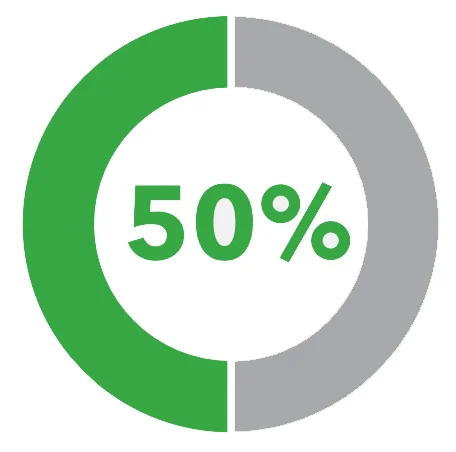
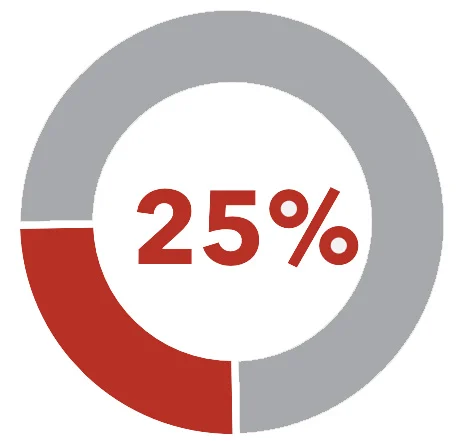
That's why it shouldn't be surprising that 50% of BE patients in surveillance and who are later diagnosed with EAC had a prior diagnosis of NDBE— their population-based risk hid the reality that they had a much, much higher personal risk of progression to cancer. And worse, 25% of high-grade dysplasia and cancer diagnoses occur within 1 year of a prior endoscopy.
50% of annual HGD/EAC progressors in surveillance programs are initially diagnosed as non-dysplastic1
25% of high-grade/cancer diagnoses occur within one year of prior endoscopy2,3
Are you ready to think BEyond dysplasia?


References
- Progression rates: Rastogi et al. Gastrointest Endosc 2008; Krishnamoorthi et al. Gastrointest Endosc 2020; Singh et al. Gastrointest Endosc 2014; Wani et al. Clin Gastroenterol Hepatol 2011; Overholt et al. Gastrointest Endosc 2005.
- Curvers et al. Am J Gastroenterol 2010.
- Duits et al. Gut 2015.