


Cases with John Lipham, MD

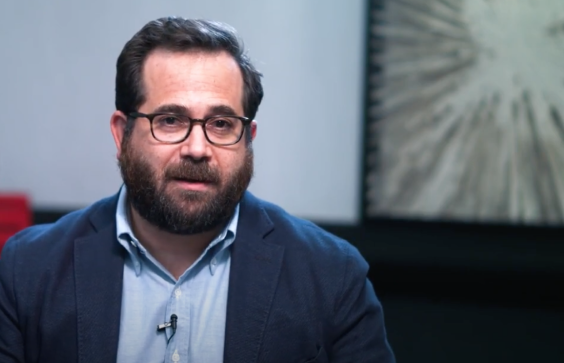
Developing an algorithm for Barrett’s esophagus
John Lipham, MD, is a professor of clinical surgery and chief of upper GI and general surgery at Keck School of Medicine of USC. Since adopting TissueCypher, he and his team have developed an algorithm for managing patients with non-dysplastic Barrett’s esophagus.
“It’s helping to decrease overutilization of endoscopy and surveillance [for low-risk patients],” says Dr. Lipham.
“On the other hand, if they come back as intermediate or high risk… those are the patients that are jumping at the chance to get rid of their Barrett’s at that point because they now know that their risk is higher than the standard non-dysplastic patient.”


See Dr. Lipham's TissueCypher case studies
.svg)
If they come back as intermediate or high risk... those are the patients that are jumping at the chance to get rid of their Barrett's at that point because they now know that their risk is higher than the standard non-dysplastic patient.
John C. Lipham, MD