

.webp)

Clinical evidence and peer reviewed studies
TissueCypher is supported by 17 published clinical validation and utility studies that encompass one of the largest sets of Barrett's esophagus (BE) progressor patients ever assembled. In these studies, TissueCypher consistently outperforms histology and segment length as predictors of progression.
TissueCypher featured studies
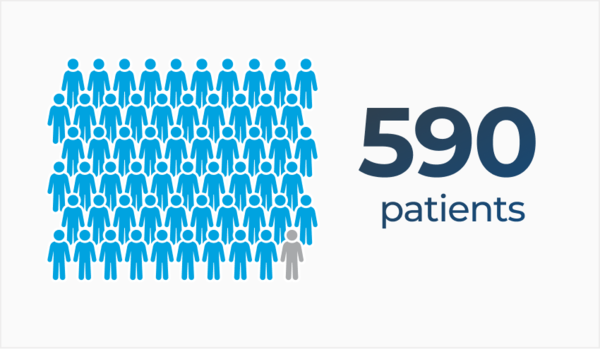
A pooled analysis of 590 patients showed that TissueCypher was a stronger predictor of progression than other clinicopathologic factors considered. For non-dysplastic patients a high-risk score was associated with an 18-fold increased risk vs. a low-risk score.

Tissue from 154 patients from the SURF trial was evaluated by TissueCypher as well as 30 expert and general pathologists. Care plans were evaluated with and without guidance from TissueCypher and results indicated that TissueCypher may be used to standardize management of BE patients to improve health outcomes.
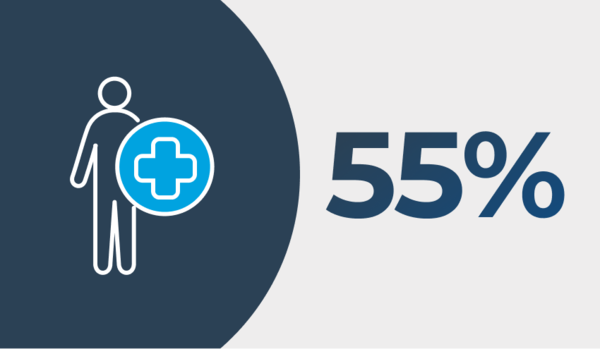
TissueCypher significantly influenced decision-making in management of patients with BE. Comparison of posttest versus pretest management recommendations showed that the TissueCypher results changed 55.0 percent of management decisions regarding surveillance intervals and therapeutic interventions.
Discover More